Table of Contents
Study discovers mindfulness reflection helpful for not just eliminating anxiety symptoms, however also for boosting our capability to cope with the stress factors that life throws our means. Breathe deeply in and out while soothing your mind.
Consider your invasive thoughts as clouds. Recognize them, but then let them wander away. Mindfulness appears very easy, however that sense of simpleness can be misleading. It takes effort to still a racing mind. And it might take you a long time and multiple shots to achieve it. To get started, set a time to practice mindfulness each day.
Multi-Day Treatment Options for Anxiety Management
They can feel it in their bodies. And it comes to be a really felt experience of recognition. In her personal method, Saltzman, and her Still Silent Area CDs for Youthful Kid and Teenagers, shows mindfulness to children and teens with a range of challenges.
As an educator at The Nantucket New School where every pupil obtains direction in mindfulness, Allison Johnson has found out firsthand what a distinction it can produce youngsters. She attempted it at home. "I have a six-year-old child with ADHD," she says. "I brought a chime home. We use it most evenings prior to bed because he does not like going to sleep.
Systematic Desensitization for Body Image Distress
"Kids speak regarding their lives being transformed. I bear in mind one lady with ADHD who had actually been very depressed, and I didn't think we were reaching her. On the last day of course she came in and claimed, 'whatever is various.
I think we all have the feeling that society's a little out of control. What is mindfulness for kids? Mindfulness for children is a method that helps them sluggish things down and observe their thoughts and feelings so they can start to choose their habits rather of acting impulsively.
Healing Concurrent Depression and Eating Concerns

The advantage of mindfulness for children is that it helps them really feel calmer. Mindfulness can help them really feel much less anxious or stop them from having a tantrum if they are frustrated or upset.
We stay in a fast-paced world where it can be difficult to reduce, pause, and concentrate on one point each time. All also frequently, we fall under the routine of splitting our focus across numerous needs, which can lead to stress and stress and anxiety about whether we're performing at our finest for ourselves and those we love.
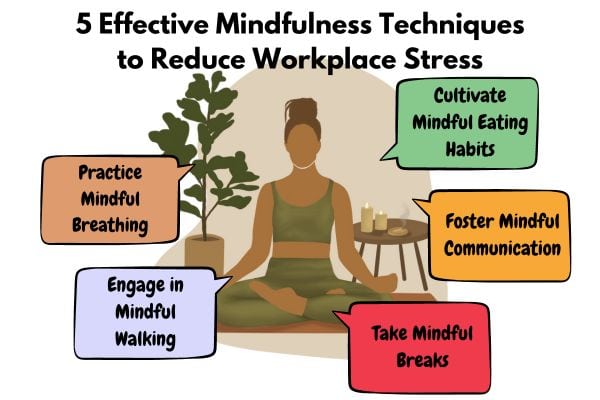
Mindfulness is the practice of being present in the current minute and accepting it as lacks examining or trying to transform it. Mindfulness includes observing and explaining your thoughts, sensations, and physical experiences with openness, like you're viewing leaves gently float down a stream. Among one of the most challenging elements is learning to concentrate on a solitary idea, feeling, or sensation while approaching it with a feeling of nonjudgmental inquisitiveness.
It's not uncommon for individuals to puzzle mindfulness and reflection, as the terms are occasionally used interchangeably. The crucial distinction is that you can be mindful without involving in reflection, but mindfulness is necessary to exercise reflection.
Creating a Peaceful Partnership with Nutrition
It's not uncommon for people with stress and anxiety and anxiety to ruminate, or fixate on negative or unhelpful ideas and feelings, which can make their signs even worse. A kid may ruminate about a poor quality they got on an examination, or a grownup might ruminate on an argument they had with their partner.
Helps people take care of emotions by seeing and naming just how they feel in the present moment instead of reacting impulsively. The appeal of mindfulness is that you can exercise it throughout lots of straightforward daily activities.

Navigation
Latest Posts
The Therapist's Role in Psychoanalytic Work for Client Success
The Role of Online Comparison on Body Image
Benefits of Therapeutic Safety in Emotional Healing in Online California Counseling